What Is an Electric Winch?
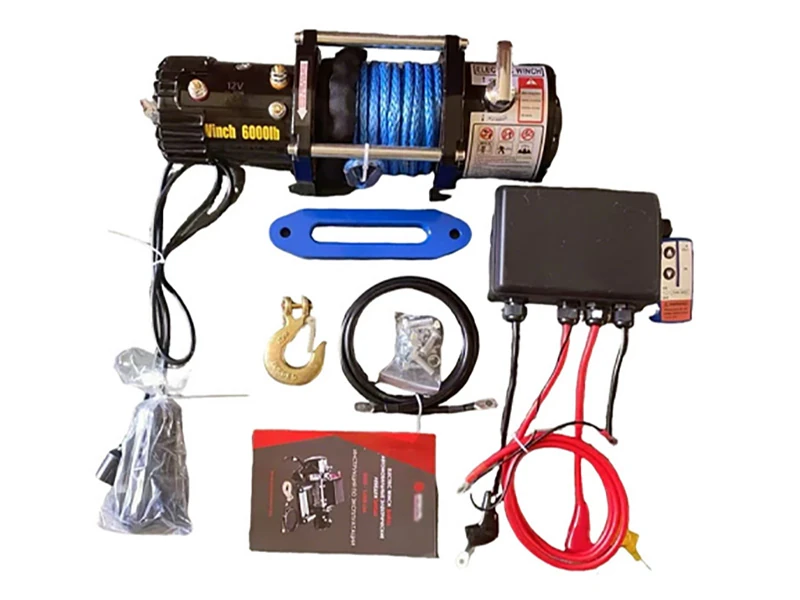
Mud, snow, steep slopes, slippery docks — these terrains have trapped countless ATVs and trucks. When a vehicle is buried in mud or loses traction on a steep incline, a reliable electric winch is often the only efficient solution. That’s exactly why it has become the core tool for vehicle recovery, marine operations, and heavy-duty towing. An electric winch is a portable pulling device that can be mounted on trailers, trucks, boats, ATVs, UTVs, Jeeps, and modified vehicles to provide controlled pulling force when manual recovery is not practical. Compared to manual winches, electric winches operate via a motorized system, offering higher efficiency and requiring less physical effort.
Electric winches are generally designed for 12V or 24V vehicle electrical systems, depending on the application. Their rated line pull capacity ranges from light recreational use to heavy industrial recovery tasks. Most models also feature waterproof and dustproof construction to support outdoor environments such as rain, snow, mud, and coastal marine conditions.
How Does a Heavy Duty Electric Winch Work
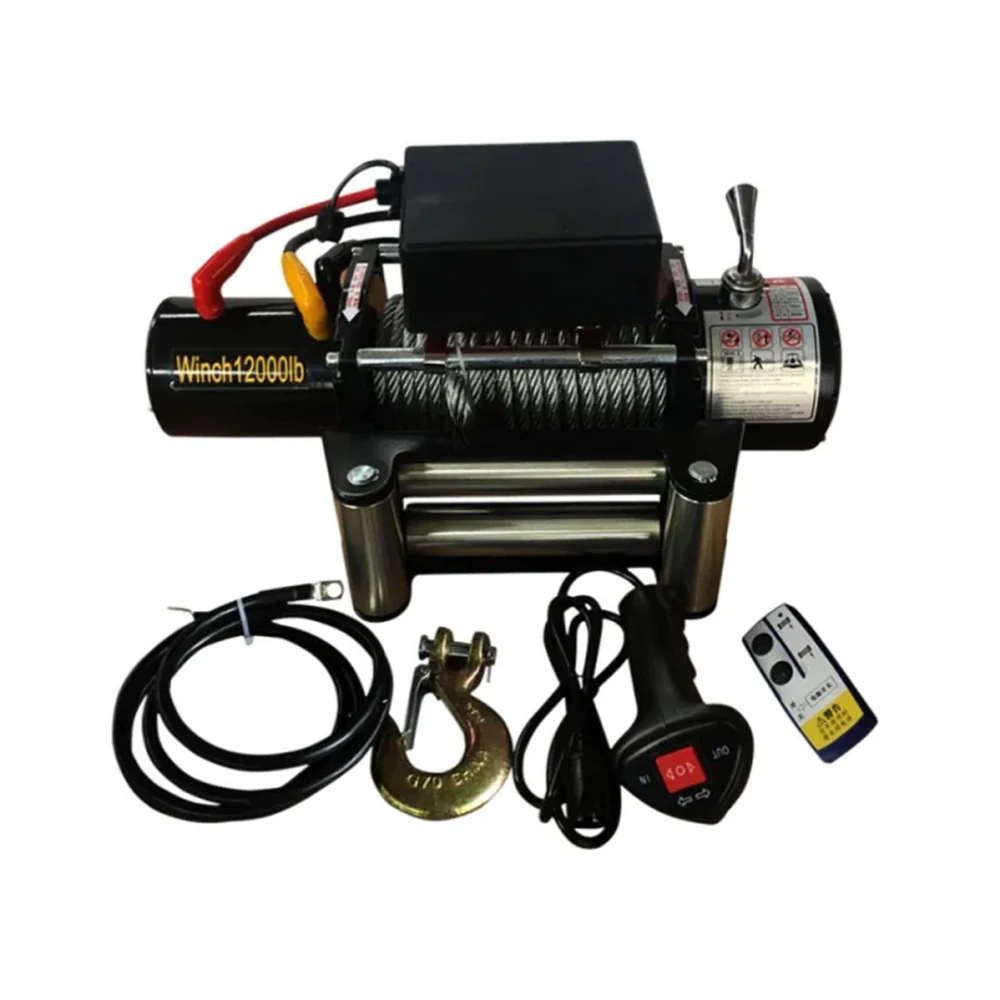
A heavy duty electric winch works by converting electrical energy into mechanical pulling force through an electric motor and a gear reduction system. The motor drives an internal gearbox, which increases torque through planetary gear reduction. This torque is transferred to a drum that winds a steel wire rope or synthetic rope. As the rope tightens, the winch generates controlled pulling force used for vehicle recovery or load movement. Gear ratios play a critical role in performance. Higher ratios increase pulling power while maintaining controlled speed, especially in high-resistance environments such as deep mud, sand recovery, or steep off-road terrain. Most systems also include braking mechanisms and remote control operation to improve safety and usability during recovery tasks. This allows operators to stay at a safe distance while maintaining precise control over the pulling process.
Key Applications of Electric Winches
Electric winches are widely used across multiple scenarios:
- ATV and UTV recovery in mud, sand, and snow
- Truck and Jeep recovery on steep or unstable terrain
- Marine applications such as boat trailers and docking operations
- Industrial pulling tasks in construction, mining, and logistics
- Agricultural and forestry operations on soft or uneven ground
In practice, electric winches are often used in emergency recovery situations where time and safety are critical factors. Their versatility makes them essential equipment for both recreational users and professional operators.
Key Factors When Choosing an Electric Winch
- Rated line pull capacity: must match vehicle weight and recovery conditions
- Voltage compatibility: 12V electric winch for ATVs/UTVs/light trucks, 24V electric winch for heavy-duty industrial use
- Installation size: must fit mounting platform and bumper structure
- Rope type: steel cable offers abrasion resistance; synthetic rope offers lighter weight and higher safety
- Environmental protection: waterproof and dustproof ratings are essential for outdoor use
Industry Standard Note
In professional recovery equipment selection, winch rating practices are commonly aligned with industry guidance such as SAE J706 (Vehicle Recovery Winch Rating Practice), which emphasizes that winch capacity should be selected based on realistic load conditions rather than ideal static weight.
In practical applications, a widely used field rule based on industry practice is: The rated line pull should be at least 1.5 to 2 times the gross vehicle weight, to account for terrain resistance, slope angle, and dynamic load during recovery.
This ensures that the winch operates within safe mechanical limits and reduces the risk of overload failure during real-world recovery scenarios.
Steel Rope Specifications
Different winch capacities require different rope configurations to ensure safe load handling and optimal pulling efficiency.
| Model | Rope Specification |
| 2000LBS | φ4mm × 6m |
| 3000LBS | φ5mm × 6m |
| 3500LBS | φ5.4mm × 10m |
| 4000LBS | φ6mm × 10m |
| 4500LBS | φ6mm × 10m |
| 6000LBS | φ6.4mm × 20m |
| 12000LBS | φ9mm × 24m |
| 13500LBS | φ9mm × 24m |
| 20000LBS | φ11mm × 24m |
Why Choose OTOY Electric Winches
OTOY electric winches are built for users who regularly face tough recovery conditions where equipment failure is not an option. Whether used on ATVs, off-road trucks, boats, or industrial vehicles, the focus is on consistent pulling performance under real working stress rather than ideal lab conditions.
Instead of limiting the product line to one specific use case, OTOY covers a wide range of pulling capacities from 2000LBS up to 20000LBS. This makes it easier for users to match a winch to different vehicle sizes and working environments, from light recreational recovery to heavy-duty commercial operations.
Each model is equipped with both wired and wireless remote control systems, allowing operators to manage recovery from a safer distance. In difficult terrain such as mud, steep slopes, or water-adjacent environments, remote operation helps reduce direct exposure to risk while maintaining precise control over the pulling process.
Protection and durability are designed for outdoor conditions. With IP67-rated sealing, the winches are resistant to dust, rain, and temporary water exposure. This makes them suitable for environments such as off-road trails, construction sites, and coastal or marine use where equipment is often exposed to harsh elements.
From a mechanical standpoint, the motor and gearbox system is engineered to maintain stable torque output during repeated heavy-load use. This helps reduce performance drop-off during continuous operation and improves overall service life under demanding conditions.
For professional users, long-term reliability also matters. OTOY supports this through replaceable components and after-sales support, helping reduce downtime when maintenance or part replacement is required.
FAQ
1. What size electric winch do I need for my vehicle?
The correct winch size depends on vehicle gross weight and working environment. A common industry-based guideline is to choose a winch rated at 1.5 to 2 times the vehicle’s total weight, in line with standard recovery safety practices such as those referenced in SAE J706-based selection principles.
ATVs typically use 2000LBS–3500LBS models, while trucks and Jeeps usually require 6000LBS–13500LBS or higher depending on terrain.A 12000 lb electric winch, for instance, is a popular choice for most full-size pickup trucks and SUVs used in backcountry recovery.
2. What is the difference between steel cable and synthetic rope?
Steel wire rope is highly resistant to abrasion and is preferred for harsh environments with rocks or industrial use. Synthetic rope is lighter, easier to handle, and safer if it breaks, making it more suitable for recreational off-road recovery.
3. Can an electric winch be used in rain or water?
Yes. Most modern electric winches are designed for outdoor environments. Models with IP67 protection can resist dust ingress and temporary water immersion. However, regular inspection and maintenance are recommended to ensure long-term reliability.
Conclusion
Choosing the right electric winch requires careful consideration of rated pulling capacity, voltage compatibility, installation size, rope configuration, and operating environment.
Compared with manual recovery methods, electric winches provide a more efficient, safer, and more controlled pulling solution across a wide range of applications.
With capacities ranging from 2000LBS to 20000LBS, IP67 protection, and dual remote control systems, OTOY electric winches are designed to perform reliably in mud, snow, rain, sand, and demanding industrial conditions. Contact us for product details, OEM/ODM service, and wholesale inquiries.