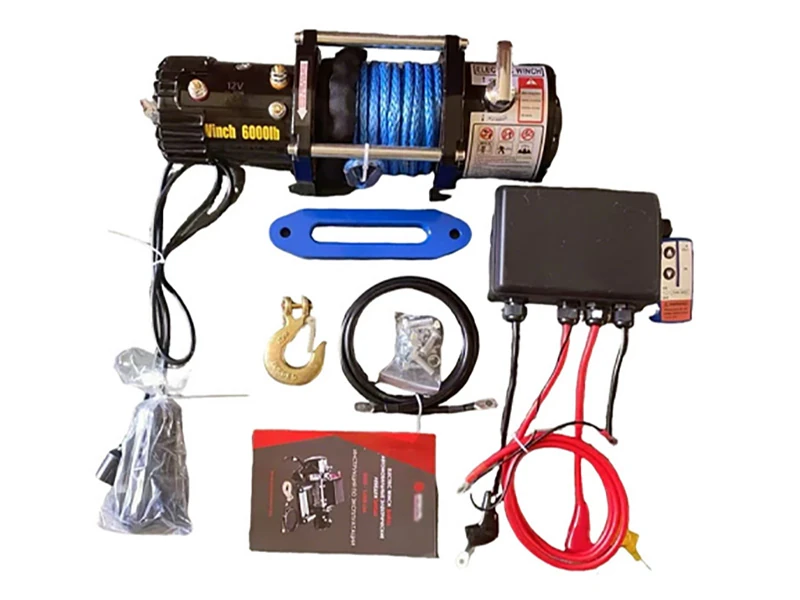
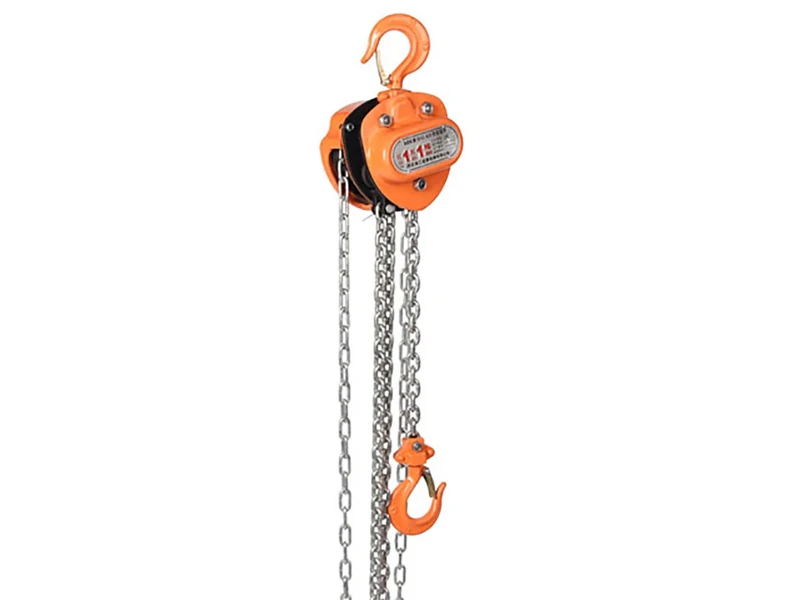
On construction sites, in factory workshops, and across warehouse operations, moving heavy materials weighing several tons is a daily challenge. From transporting building materials between floors, to positioning heavy equipment on the production floor, to loading oversized cargo at distribution centers—these tasks become slow, labor-intensive, and potentially hazardous without the right equipment. Electric winches are the go-to solution for these challenges. Electric winches in the 2.5 to 3 ton range are widely used across industries and are a top choice for contractors, plant managers, and warehouse operators.
When it comes time to make a purchasing decision, however, many buyers find themselves with practical questions: Should I choose a 2.5 ton or 3 ton model? Which voltage—220V or 380V—is right for my site? Is a 30-meter wire rope sufficient? What’s the real difference between an aluminum housing and a cast iron one? How reliable is the braking system?
This article addresses these practical concerns to help you clarify your selection process and understand the basics and key characteristics of 2.5 to 3 ton electric winches. We will also use the CD-K1 series from Otoy as an example to demonstrate how a well-specified industrial-grade electric winch performs across various technical standards.
What Is a 2.5 Ton 3 Ton Electric Winch?
A 2.5 to 3 ton electric winch is a motorized drum hoist designed to lift or pull loads up to 2,500 to 3,000 kilograms. The principle is straightforward: an electric motor rotates a drum, which winds or unwinds a wire rope to raise, lower, or horizontally drag a load. In the equipment market, 2.5 and 3 ton winches sit in the middle of the capacity spectrum. This makes them one of the most widely purchased size ranges, suitable for everything from large construction firms to smaller workshops and factories.
Key Components of a Heavy Duty Electric Winch
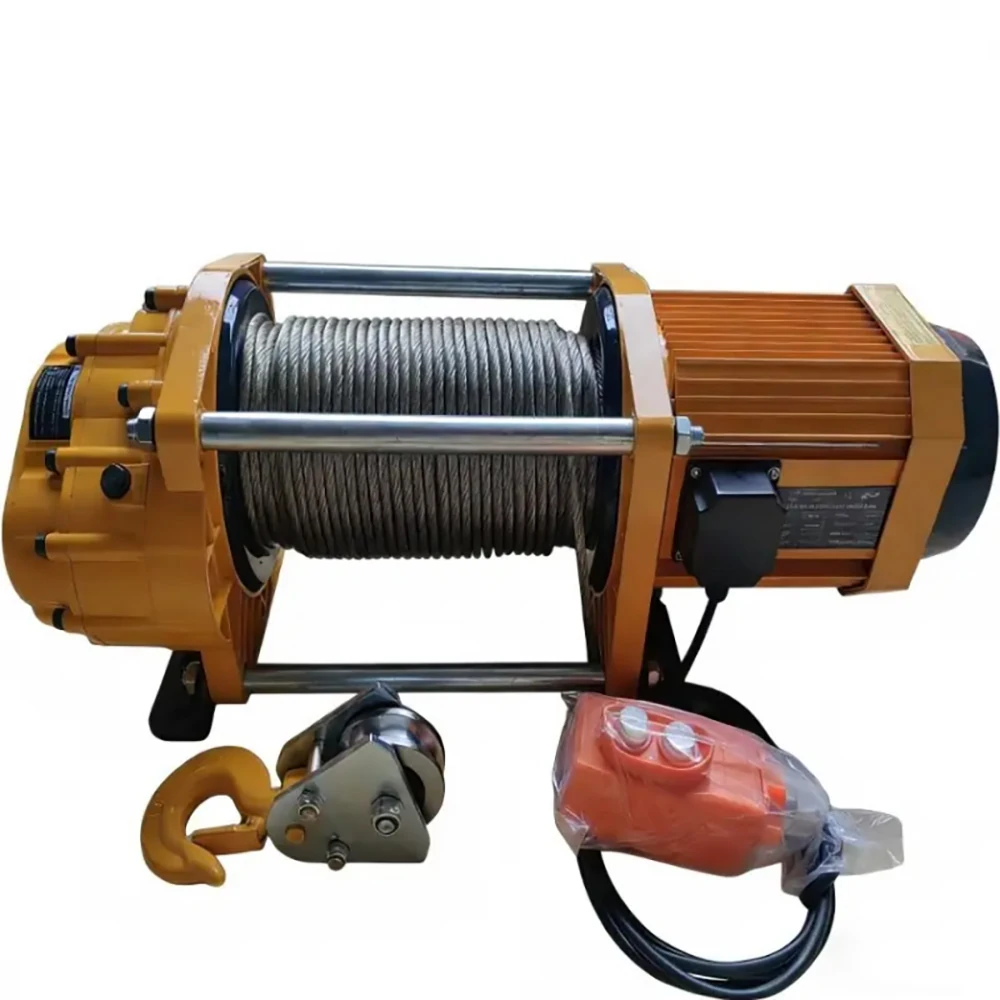
A reliable electric winch is made up of several core components. Each one affects how well the equipment performs and how long it lasts in day-to-day use:
Drive Motor: The winch’s power source. Higher power ratings deliver faster lifting speeds and better performance under heavy loads. Heat dissipation is equally important—motors that overheat during extended operation experience accelerated insulation wear, shortening their service life.
Gear Reducer: Converts the motor’s high-speed rotation into low-speed, high-torque output. The material quality and machining precision of the gears directly determine durability. Higher-end models use alloy steel gears for improved strength and wear resistance.
Drum and Wire Rope: The wire rope carries the full load, so its diameter and tensile strength matter. For 2.5 to 3 ton winches, the industry-standard rope diameter is approximately 10mm. Quality ropes also feature anti-rotation construction to prevent the load from spinning during lifting.
Brake System: The most critical safety component on any winch. The brake must engage instantly when power is cut—zero delay—otherwise the load can slip, creating a serious hazard.
Control System: The interface between the operator and the machine. Controllers are typically tethered or wireless. The layout should be intuitive, and an emergency stop button is standard equipment for immediate power cutoff when needed.
Housing: Enclosure materials generally fall into two camps. Cast iron housings are cheaper and structurally robust, but they’re heavy and dissipate heat poorly. Aluminum alloy housings are lighter, more heat-efficient, and corrosion-resistant. The industry trend among mid-to-high-end winches is increasingly toward aluminum housings.
Key Features of 2.5 Ton 3 Ton Electric Winches
When evaluating 2.5 or 3 ton electric winches, several technical characteristics deserve close attention. These features determine whether the equipment will actually meet your operational needs.
High Lifting Capacity for Heavy Duty Applications
Lifting capacity comes first, but it’s important to understand that a winch’s effective capacity changes depending on whether it’s rigged in “single hook” or “double hook” configuration.
Single Hook Mode: The load hangs from a single rope end. In this configuration, a winch rated at 3 tons typically delivers an actual lifting capacity of about 1,500 kg.
Double Hook Mode: The rope is reeved through a pulley block to create a two-part line. This effectively doubles the capacity—a 2.5 ton winch reaches 2,500 kg, and a 3 ton winch reaches 3,000 kg.
The practical benefit is that one winch can cover two different weight ranges simply by re-rigging the rope. For operations that handle varied load weights, this flexibility is valuable.
A good rule of thumb during selection: determine your heaviest regular load, add the weight of rigging gear, then choose a winch with at least 20% capacity margin above that figure.
220V/380V Power Supply Options for Different Working Environments
Power compatibility is easy to overlook during the buying process, but it becomes a major issue if the winch doesn’t match the available supply on site. Different job sites have different electrical setups:
220V Single-Phase: Found in residential areas, small workshops, and temporary construction sites. 220V electric winches can be plugged directly into these outlets without additional transformers.
380V Three-Phase: The industrial standard. Larger factories and established workshops generally have 380V available. It delivers more power and is better suited for extended heavy-duty operation.
A winch that supports both voltages is significantly more versatile—it can move between job sites without power compatibility concerns. For contractors and rental fleets that frequently relocate equipment, this feature is especially practical.
30m Wire Rope Length for Flexible Lifting Operations
The standard wire rope length for 2.5 to 3 ton electric winches is 30 meters. This is sufficient for most lifting applications up to about three stories high. It also provides enough rope to support both vertical lifting and horizontal pulling operations.
Beyond length, rope diameter matters. For winches in this capacity range, 10mm diameter is common—it offers a good balance between breaking strength and handling flexibility. A quality rope also incorporates anti-rotation design, which keeps the load stable and prevents spinning during lifts.
Aluminum Shell Design for Better Heat Dissipation and Durability
Housing material is one of those details many buyers don’t think about, yet it affects everyday operation in meaningful ways. The two primary options are:
Cast Iron Housing: Lower cost and solidly built, but thermal conductivity is average. Under extended use, heat builds up internally. When motor temperatures rise, insulation degrades faster, shortening equipment life. Cast iron is also heavy, making transport and installation more difficult.
Aluminum Alloy Housing: Superior thermal conductivity pulls heat away from the motor quickly, keeping operating temperatures under control. At roughly one-third the weight of cast iron, aluminum housings are noticeably easier to move and install. The natural oxide layer on aluminum also provides good corrosion resistance, making it more durable in outdoor or damp conditions.
Overall, aluminum offers clear advantages in heat management, portability, and corrosion resistance. This is precisely why more mid-to-high-end industrial winch manufacturers are making the switch.
Safety Brake System and Overload Protection Features
Safety equipment is not where you cut corners. A winch that meets industrial safety standards should be equipped with the following as standard:
Automatic Power-Off Brake: Whether from intentional shutdown or an unexpected power failure, the brake must lock the drum within milliseconds. This is the single most important safeguard against dropped loads.
Limit Switch: When the hook reaches its highest travel limit, the limit switch cuts power to the hoisting circuit automatically. This prevents the rope from over-spooling and causing damage or detachment.
Overload Protection: If the load exceeds the winch’s rated capacity, the overload system should trigger an alarm or cut power to prevent operation. Overloading is one of the leading causes of lifting equipment accidents, so this feature is essential.
Emergency Stop Button: In an emergency, the operator must be able to kill power immediately. The stop button should be easily accessible and responsive.
During the purchase process, confirm that all of these safety features are present.
Common Applications of 2.5 Ton and 3 Ton Electric Winches
Construction sites: Lift steel pipes, formwork, masonry blocks, and cement vertically. Lower cost and faster setup than tower cranes; ideal for smaller sites or auxiliary lifting.
Workshops and factories: Move heavy molds, machine parts, and large workpieces. Mount on overhead rails or gantry for single-operator handling.
Warehouses: Handle spare parts, steel coils, and drummed materials. Pair with jib crane or gantry for compact, cost-effective loading solutions.
Vehicle repair shops: Remove and install engines, transmissions, and axles. Also used for horizontal pulling to position disabled vehicles.
2.5 Ton 3 Ton Electric Winch Specifications Overview
The specification table below summarizes the CD-K1 series. This product line is configured to meet the technical standards discussed throughout this article—dual-voltage 220V/380V compatibility, aluminum housing for heat dissipation, 10mm anti-rotation wire rope, and automatic power-off braking. The series serves as a practical reference for what a well-specified 2.5 to 3 ton electric winch looks like in practice.
| Model | Usage | Voltage (V) | Lifting Capacity (Kg) | Power | Lifting Height (m) | Dia of Rope (mm) | N.W (Kg) |
| 0.8T | Single/Double Hook | 220/380V | 400 / 800 | 2.0KW | 30-100 | 10.0 | 36 |
| 1.2T | Single/Double Hook | 220/380V | 500 / 1000 | 2.2KW | 30-100 | 10.0 | 36 |
| 1.2T | Single/Double Hook | 220/380V | 600 / 1200 | 3KW | 30-100 | 10.0 | 36 |
| 1.5T | Single/Double Hook | 220/380V | 600 / 1200 | 2.2KW | 30-100 | 10.0 | 36 |
| 1.5T | Single/Double Hook | 220/380V | 750 / 1500 | 4HP | 30-100 | 10.0 | 36 |
| 2.5T | Single/Double Hook | 220/380V | 1250 / 2500 | 5HP | 30-100 | 10.0 | 36 |
| 3T | Single/Double Hook | 220/380V | 1500 / 3000 | 5KW | 30-100 | 10.0 | 36 |
Note: Lifting speed varies by specific model. Standard wire rope length is 30 meters, customizable up to 100 meters.
Why Choose Our 2.5 Ton 3 Ton Electric Winch?
Based on the technical standards and selection criteria outlined above, here’s how the CD-K1 series addresses the requirements of industrial lifting applications:
Reliable Performance for Construction and Industrial Use
The CD-K1 series is built to industrial-grade durability standards. Its aluminum housing balances structural strength with efficient heat dissipation and lighter weight. Motor power ranges from 2.0KW to 5KW, covering lifting needs from 400 kg up to 3,000 kg. The design suits construction sites, factory floors, warehouses, and vehicle maintenance workshops.
Durable Design for Long-Term Operation
Long-term reliability comes from multiple design choices: anti-rotation rope minimizes twisting and wear during operation; the automatic power-off brake prevents load drops from power interruptions; aluminum construction resists corrosion in outdoor and damp environments. At 36 kg net weight, the unit is manageable for site moves without compromising structural integrity.
Flexible OEM and Bulk Supply Options
For procurement and distribution partners, we offer flexible supply arrangements:
OEM customization: Branding and specification options available
Bulk supply: Suitable for large contractors, rental fleets, and distribution channels
Reliable delivery: Backed by a stable supply chain to meet project timelines
Frequently Asked Questions About Electric Winches
What is the maximum lifting capacity of a 3 ton electric winch?
Depends on reeving. Double-hook: 3,000 kg. Single-hook: 1,500 kg. Choose based on your load.
Can a 220V electric winch be used for construction projects?
Yes. Common on small to mid-sized sites. 380V offers more power for heavy-duty operations.
What is the difference between single hook and double hook lifting?
Single: one rope, lighter loads. Double: pulley block, roughly double capacity, better stability. Use double for heavier loads.
Conclusion
Choosing the right 2.5 or 3 ton electric winch requires more than comparing rated capacities. Buyers must evaluate actual load weights, site power availability, required lifting height, and essential safety features such as automatic braking, limit switches, and overload protection. Getting these fundamentals right ensures reliable performance and long-term value.
The CD-K1 series addresses these requirements with dual-voltage compatibility, aluminum housing for effective heat dissipation, 10mm anti-rotation wire rope, and automatic power-off braking. Whether for construction sites, factory floors, warehouses, or repair shops, the series offers practical configurations across the 2.5 to 3 ton range.
For further technical guidance or model-specific information, we welcome your inquiries.