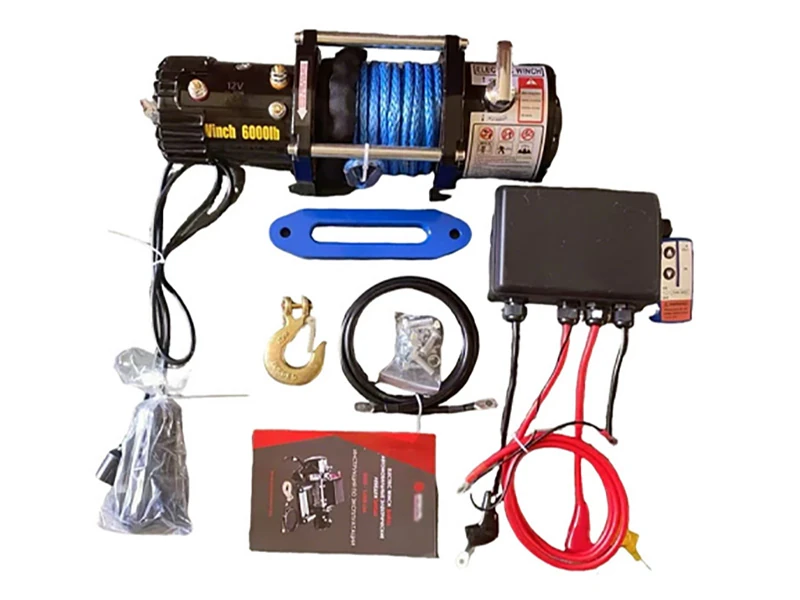
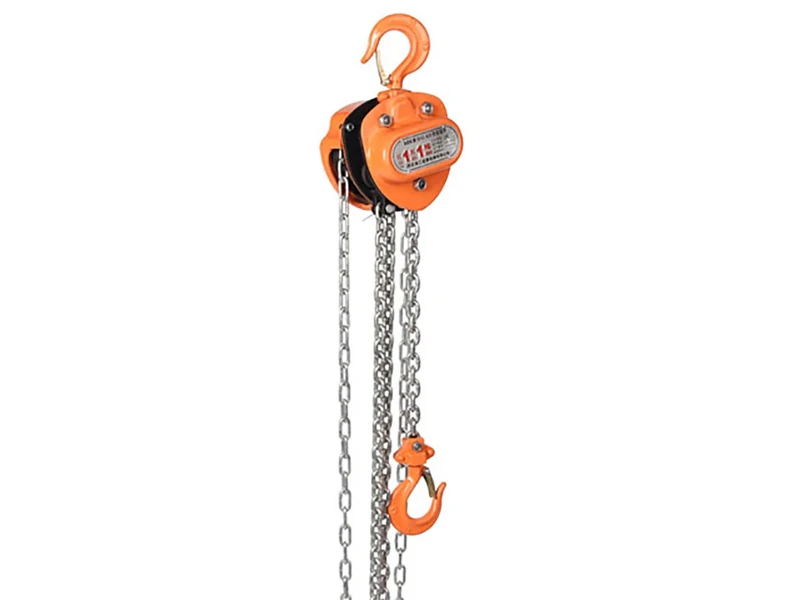
Introduction to Lever Chain Hoists
A lever chain hoist, also known as a lever block or ratchet hoist, is a manual lifting device that uses a hand-operated lever to raise, lower, or pull heavy loads through a chain drive mechanism. Unlike electric hoists that rely on power sources, lever hoists are entirely human-powered, making them indispensable in environments where electricity is unavailable or unsafe.
These compact tools are widely used in construction, warehousing, equipment installation, shipbuilding, and maintenance work. Their ability to operate in vertical lifting, horizontal pulling, and angled tensioning makes them one of the most versatile lifting tools in industrial applications. A reliable lever chain hoist is therefore not only a tool but a critical safety and efficiency device in daily operations.
Why Lever Chain Hoists Are Important in Industrial Lifting
Industrial environments require tools that are both portable and dependable. Lever chain hoists solve this need by offering a self-contained lifting solution that does not rely on external power. This makes them ideal for remote job sites, narrow warehouse aisles, or confined mechanical spaces.
Another key advantage is mechanical reliability. With fewer moving parts than electric hoists, manual lever chain hoists are less prone to failure. When properly maintained, a high-quality hoist can operate for years under heavy-duty conditions.
The ratchet mechanism also provides precise load control, allowing operators to move loads incrementally. This is especially important for equipment alignment, steel structure installation, and precision maintenance work.
Key Factors to Consider When Choosing a Lever Chain Hoist
Selecting the right lever chain hoist requires evaluating multiple technical and operational factors. Each plays a role in safety, performance, and long-term durability.
1. Load Capacity
Load capacity is the most important technical parameter when selecting a lever hoist. Industrial lever hoists are typically available in capacities ranging from 250 kg to 5,000 kg and beyond, covering everything from light maintenance tasks to heavy industrial lifting.
A general safety rule is to choose a hoist rated at least 1.5 times your maximum working load. This ensures protection against shock loads and operational stress. For example, a 400 kg load is best matched with a 500 kg capacity hoist rather than a 250 kg model. For frequent heavy lifting, selecting a higher capacity model improves durability and reduces strain on components.
2. Chain Material and Strength Grade
The chain is the core load-bearing component of any lever hoist, and its material directly determines safety and service life. Industrial-grade lever hoists typically use Grade 80 alloy steel lifting chain, the internationally recognized standard for overhead lifting applications.
Grade 80 chain delivers three essential properties: high tensile strength, excellent wear resistance, and strong impact toughness. These ensure the chain maintains performance under repeated heavy-duty use without excessive elongation or breakage risk.
Different hoist models use different chain diameters. Lighter models use thinner chains to reduce dead weight, while heavier models use thicker chains to ensure adequate strength. Chains are heat-treated and finished with nickel plating or protective coating for corrosion resistance, making them suitable for outdoor and humid environments.
When purchasing, always verify the “Grade 80” marking on the chain. Never replace original chains with unmarked or uncertified alternatives, as this directly impacts safety.
3. Hook Design and Rotation Capability
Hooks are the connection point between hoist and load, and their design has a direct impact on safety and usability.
High-quality lever hoists use heavy-duty safety latch hooks on both top and bottom ends. These spring-loaded latches automatically close to prevent accidental disengagement of slings or load attachments during operation, providing essential passive safety protection.
Equally important is 360° hook rotation. Full rotation allows the hoist to align naturally with the load direction, reducing torsional stress on the chain and minimizing side loading on the housing. When loads shift or swing slightly, rotating hooks absorb movement instead of transferring stress to the mechanism. This is especially valuable in confined spaces where perfect alignment is not possible.
4. Body Material and Portability
The body structure determines strength-to-weight ratio and overall usability.
Industrial lever hoists typically use either all-steel construction or aluminum-body with steel-frame hybrid design. All-steel models offer maximum strength but higher weight, while aluminum-steel hybrid designs achieve better portability without sacrificing structural integrity.
Aluminum housings provide corrosion resistance, while internal steel frames bear the primary load stress. This combination ensures durability in harsh working environments.
Weight is a critical factor in real-world use. Heavy equipment discourages portability and can reduce operational efficiency. Lightweight hoists allow easy transport to scaffolds, elevated platforms, or remote job sites, improving both safety and productivity.
5. Lifting Height and Chain Length
Most lever hoists come with a standard lifting height of 1.5 to 3 meters, suitable for applications such as truck loading, machinery positioning, and beam installation.
However, industrial requirements vary. Many manufacturers offer optional chain lengths to meet different working conditions. When selecting chain length, it is important to consider both vertical lifting distance and horizontal pulling requirements. Longer chains increase total hoist weight and should be factored into handling considerations.
6. Working Environment and Application Scenarios
Different working environments place different demands on lifting equipment.
On construction sites, hoists must withstand dust, dirt, and weather exposure. A fully enclosed body design protects internal gears and bearings from contamination, reducing maintenance requirements and ensuring long-term stability.
In warehousing and logistics environments, efficiency is critical. A smooth ratchet mechanism keeps operating force within manageable levels, while a non-slip handle improves control during repetitive lifting tasks.
In maintenance and installation work, low headroom design becomes essential. Compact structures allow operation in confined spaces such as HVAC systems, machinery rooms, and industrial mezzanines where traditional hoists cannot fit.
Advantages of Lever Chain Hoists Compared to Other Lifting Tools
Lever chain hoists offer a unique combination of portability, versatility, and independence.
Compared to manual chain hoists: lever hoists are more efficient. Each lever stroke lifts a fixed increment, making them faster for short-distance positioning and repeated adjustments.
Compared to electric hoists: lever hoists do not require power supply. They can operate in remote locations, outdoor environments, and even hazardous conditions where electricity is not safe or available.
Compared to hydraulic jacks: lever hoists offer multi-directional use. While jacks only lift vertically, lever hoists can lift, pull, tension, and operate at various angles, making them more versatile for rigging applications.
HSH-DC Series Lever Chain Hoist – Product Overview
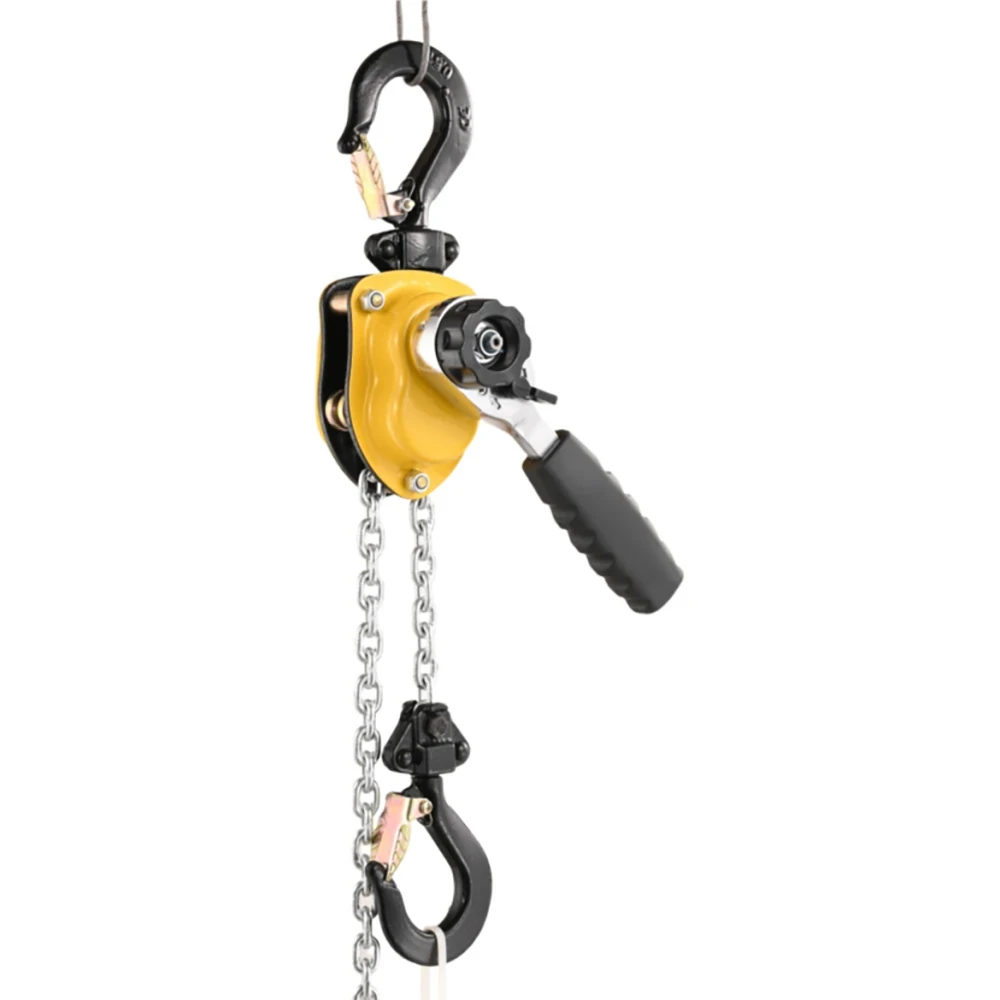
With these selection principles in mind, the HSH-DC Series lever chain hoist is engineered to meet diverse industrial lifting requirements. The series covers capacities from 250 kg to 5,000 kg, suitable for light maintenance to heavy structural installation.
Technical Specifications
| Model | Capacity | Std. Lifting Height | Hand Force | Chain Dia. | Net Weight |
| HSH-DC280 | 250 kg | 1.5 m | 260 N | 4×12 mm | 2.2 kg |
| HSH-DC500 | 500 kg | 1.5 m | 260 N | 4×12 mm | 3.2 kg |
| HSH-DC750 | 750 kg | 1.5 m | 255 N | 5×15 mm | 4.7 kg |
| HSH-DC1500 | 1,500 kg | 1.5 m | 255–345 N | 7×21 mm | 7.6 kg |
| HSH-DC2500 | 2,500 kg | 1.5 m | 345 N | 9×27 mm | 14.0 kg |
| HSH-DC5000 | 5,000 kg | 1.5–2.5 m | 360 N | 9×27 mm | 22.0 kg |
Note: For HSH-DC1500 and above, multiple lifting height and chain diameter combinations are available upon request.
Key Design Features
Durable Die-Cast Aluminum Body with Steel Frame
The HSH-DC series uses a die-cast aluminum body combined with a steel internal frame, achieving both lightweight handling and high structural strength. The 250 kg model weighs only 2.2 kg, while the 5-ton model weighs just 22 kg, offering excellent portability advantages. Aluminum housing also improves corrosion resistance for outdoor environments.
Efficient Ratchet Mechanism with Single-Step Reduction Gear
The single-step reduction gear ensures stable load holding with minimal friction. Combined with an efficient ratchet system, operator hand force is kept between 255 N and 360 N depending on model, reducing fatigue during long operations. A rubber-coated handle provides stable, non-slip control.
Grade 80 High-Strength Alloy Steel Chain
All models use Grade 80 alloy steel chain, heat-treated and nickel-plated for corrosion resistance. Chain specifications are precisely matched to each capacity to balance strength and weight. The Grade 80 marking ensures compliance with industrial lifting standards.
360° Rotating Hooks with Safety Latches
Both top and bottom hooks rotate 360°, allowing natural alignment with load direction and reducing torsional stress. Heavy-duty safety latches prevent accidental detachment during operation.
Totally Enclosed Body Design
The fully enclosed structure protects internal components from dust, dirt, and rain, significantly reducing maintenance requirements in harsh environments.
Low Headroom Design
Compact body construction allows use in tight spaces such as machinery rooms, pipe shafts, and industrial ceilings where traditional hoists cannot operate.
Optional Customization
Chain length and color options are available to meet different operational requirements and identification systems.
Conclusion
Choosing the right lever chain hoist requires careful evaluation of capacity, chain strength, hook design, body structure, lifting height, and working environment.
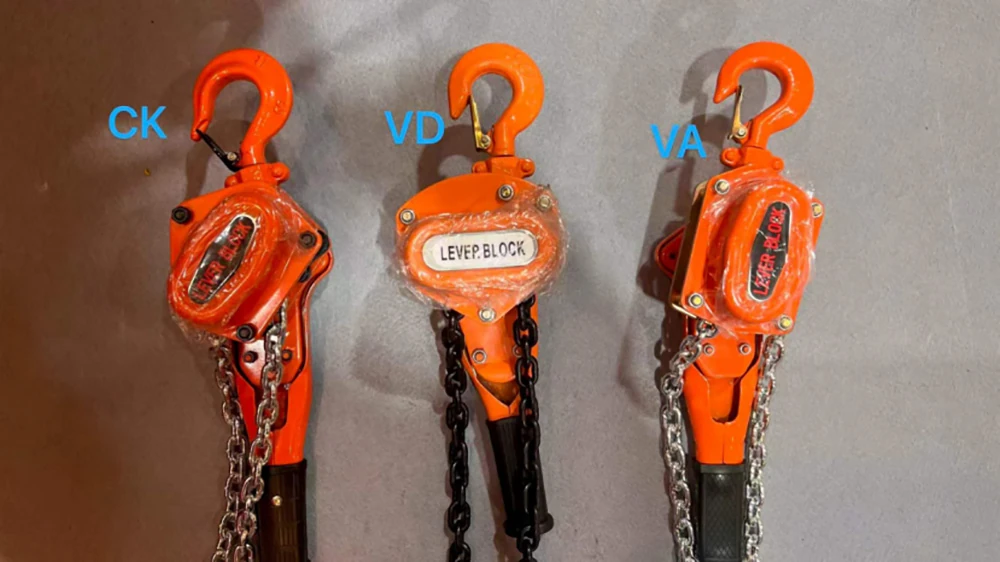
The HSH-DC series provides a complete solution from 250 kg to 5,000 kg, combining lightweight aluminum-steel construction, Grade 80 chain, 360° rotating hooks, and efficient ratchet performance. It delivers a safe, portable, and reliable lifting solution for construction, warehousing, installation, and industrial maintenance applications.
FAQ
Q1: What is a lever chain hoist used for?
Used for lifting, lowering, and pulling loads in construction, maintenance, warehousing, and installation work without power supply.
Q2: What capacity lever hoist should I choose?
Choose at least 1.5× your maximum load, e.g., 500 kg for a 400 kg application.
Q3: What is Grade 80 chain?
A high-strength alloy steel chain designed for overhead lifting with high tensile and impact resistance.
Q4: Can lever chain hoists work in tight spaces?
Yes, low headroom compact design makes them suitable for confined industrial environments.
Q5: How should I maintain a lever chain hoist?
Regular cleaning, lubrication, inspection, and proper storage are required. Replace damaged parts immediately and never repair chains by welding.