Choosing the right lifting equipment is important for distributors, contractors, maintenance teams, and industrial buyers. A manual chain block can be a practical option for lifting loads manually without relying on an electric power source.
Chain blocks vary in capacity, chain configuration, braking system, and overall design. The right model depends on the specific lifting requirement. This guide looks at the main factors to consider when choosing a manual chain hoist, with reference to the HSZ-V Series High Performance Manual Chain Block.
What Is a Manual Chain Block?
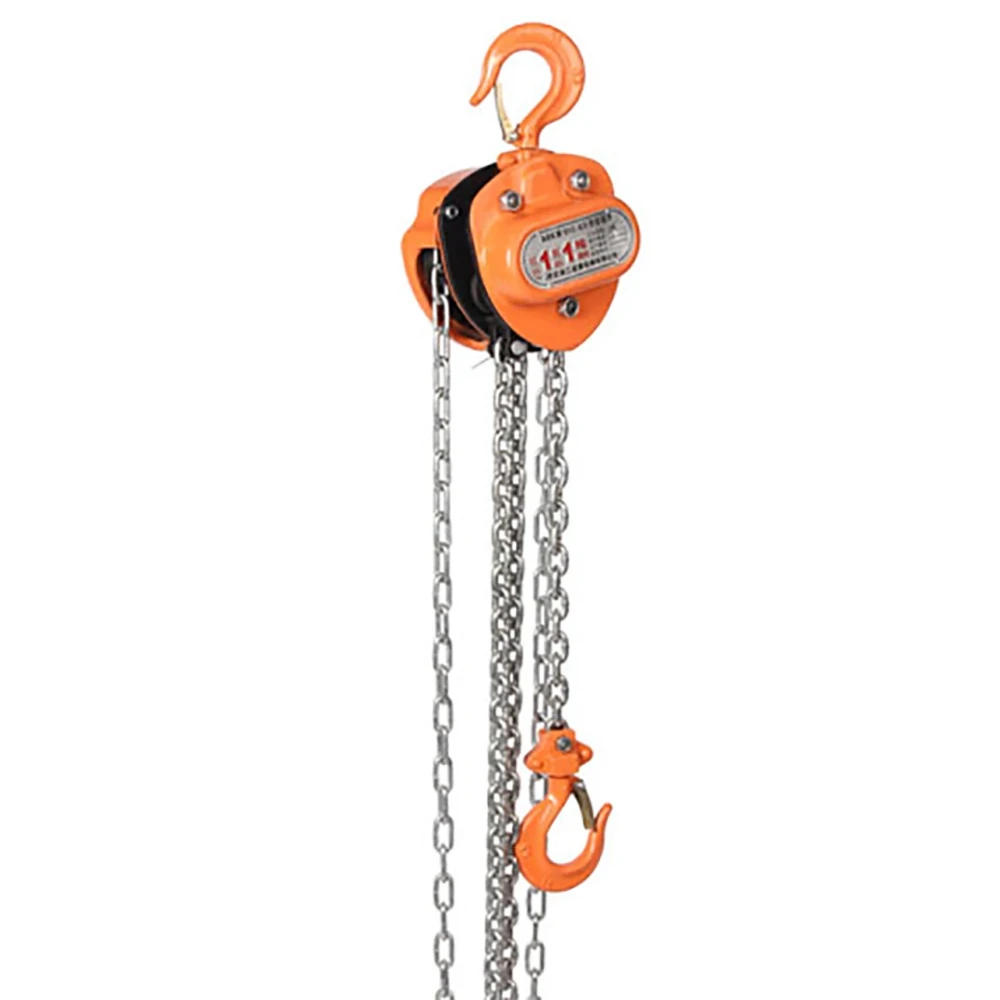
A manual chain block is a manually operated lifting device designed to raise and hold loads through a chain-operated mechanism. The operator applies pulling force to the hand chain to lift the load.
The HSZ-V Series is a professional-grade manual lifting device. Its design incorporates integral bearings, a double-pawl braking system, 360-degree swivel hooks, guide wheels, and a thickened alloy steel housing.
How to Choose the Right Manual Chain Block Capacity?
Capacity should be one of the first specifications to evaluate when purchasing a chain block. The rated load needs to match the load that the equipment is required to lift.
The HSZ-V Series includes models from V-1 to V-30, with rated loads listed from 1,000 kg to 30,000 kg:
| Model | Rated Load |
| V-1 | 1,000 kg |
| V-2 | 2,000 kg |
| V-3 | 3,000 kg |
| V-5 | 5,000 kg |
| V-10 | 10,000 kg |
| V-20 | 20,000 kg |
| V-30 | 30,000 kg |
For example, a buyer looking for a chain block 1 ton can consider the V-1 model, which has a rated load of 1,000 kg.
When selecting capacity, buyers should refer to the actual rated load requirements rather than choosing a model simply because it has a higher capacity.
How Does Chain Grade Affect Manual Chain Block Performance?
The load chain is a key component of a manual lifting device because it directly carries the lifting load.
The HSZ-V Series uses high-tensile C80 (Grade 80) alloy steel load chains. Depending on the configuration, the chains can be supplied with a black oxide coating or galvanized finish for durability.
The available chain dimensions in the listed specifications include:
- V-1: 6 × 18 mm
- V-2: 6 × 18 mm
- V-3: 8 × 24 mm
- V-5: 10 × 30 mm
- V-10: 10 × 30 mm
- V-20: 10 × 30 mm
- V-30: 10 × 30 mm
Grade 80 High-Tensile Alloy Steel Load Chain
For B2B buyers, chain material and grade should be considered together with rated load. The HSZ-V uses Grade 80 high-tensile alloy steel chains, providing a specified chain configuration for the different models.
Rather than selecting a chain block only according to the external appearance of the chain, buyers should check the manufacturer’s technical specifications for chain grade and dimensions.
Black Oxide vs. Galvanized Load Chains
The HSZ-V load chain can be supplied with either a black oxide coating or a galvanized finish, depending on the configuration.
For purchasing and distribution purposes, buyers can confirm the required chain finish with the supplier when specifying the product.
What Lift Height Do You Need for a Manual Chain Block?
Lifting height is another important specification when selecting a manual operated chain hoist.
The standard lifting height for the HSZ-V Series is usually 3 meters, while greater lifting heights can be customized upon request.
Before ordering, buyers should determine the required lifting height based on the actual installation and lifting conditions. If the standard 3-meter configuration does not meet the project requirement, a customized lifting height can be requested.
What Safety Features Should You Look for in a Chain Block?
Safety features are an important consideration when evaluating chain blocks for industrial lifting.
The HSZ-V Series incorporates several design features intended to support secure load handling, including a double-pawl braking system, 360-degree swivel hooks, and a specified safety factor.
Double-Pawl Braking System
The HSZ-V uses a double-pawl braking system. The redundant braking mechanism is designed so that the load can remain securely held even if one pawl fails.
This provides an additional level of redundancy in the braking mechanism and is an important feature to consider when comparing manual lifting equipment.
360-Degree Swivel Hooks
The forged alloy steel hooks are designed to rotate 360 degrees, making rigging easier.
The hooks are also engineered to stretch slowly under extreme overload as a visual warning. This feature provides a visible indication of excessive loading rather than relying only on hidden internal conditions.
Safety Factor and Load Testing
The HSZ-V Series is generally tested to 1.5 times the rated capacity, with a stated design safety factor of 4:1.
These specifications should be considered together with the rated load when evaluating the equipment for a particular lifting requirement.
Why Do Integral Bearings Matter in a High Performance Chain Block?
The internal bearing design is one of the main features that distinguishes the HSZ-V from traditional designs.
Both the left and right plates and the lifting sprockets use integral bearings. This design reduces friction and results in a lighter hand-pull force compared with traditional bushings.
For operators, reduced friction can contribute to smoother manual operation. For B2B buyers, the bearing configuration is therefore worth considering alongside rated load and chain specifications when comparing different manual lifting products.
Reduced Friction and Pulling Force
The integral bearing design reduces friction within the relevant components of the lifting mechanism. This helps make operation lighter compared with traditional bushing-based designs.
This feature is particularly relevant when buyers are evaluating a high-performance manual chain block rather than a basic configuration.
Smoother Load Chain Operation
The HSZ-V also incorporates two integral guide wheels. These guide wheels help ensure that the load chain feeds smoothly and remains aligned with the sprocket during operation.
How Does the Guide Wheel System Improve Chain Alignment?
The guide wheel system uses two integral guide wheels to support smooth feeding of the load chain.
Proper chain alignment is important to the operation of a manual lifting device. The guide wheel design helps keep the chain aligned with the sprocket while the load is being raised.
The HSZ-V also features a thickened alloy steel housing designed to protect the internal gears from external shocks and debris.
What Makes the HSZ-V Manual Chain Block Suitable for Heavy Lifting?
The HSZ-V combines several design elements into one manual lifting system:
- Rated load options from 0.25 ton to 50 tons
- Standard lifting height of 3 meters
- Grade 80 high-tensile alloy steel load chain
- Black oxide or galvanized chain options
- Integral bearing design
- Double-pawl braking system
- 360-degree swivel hooks
- Two integral guide wheels
- Thickened alloy steel housing
- Design safety factor of 4:1
The listed V-series models provide rated capacities from 1,000 kg to 30,000 kg, while the broader HSZ-V range can be supplied in capacities up to 50 tons.
Conclusion: Choosing the Right Manual Chain Block for Your Application
Selecting the right manual chain block requires more than simply comparing rated capacity. Buyers should evaluate the load requirement, chain grade, lifting height, braking system, hook design, bearing structure, and safety specifications together.
The HSZ-V Series offers multiple capacity configurations, Grade 80 alloy steel load chains, a standard 3-meter lifting height, integral bearings, a double-pawl braking system, 360-degree swivel hooks, and an integrated guide wheel system. Explore the HSZ-V Series for your manual lifting requirements. Contact us to confirm the available capacity, lifting height, and chain configuration.
FAQ
What is a manual chain block used for?
A manual chain block is used to lift and hold loads manually, making it suitable for lifting applications where an electric power source is not required.
How do I choose the right chain block capacity?
Choose a chain block based on the required lifting load. The rated capacity should match the load that needs to be lifted.
What should I check before buying a manual chain block?
Check the rated capacity, chain grade, lifting height, braking system, hook design, and safety specifications to make sure the equipment meets the requirements of the intended application.