Introduction
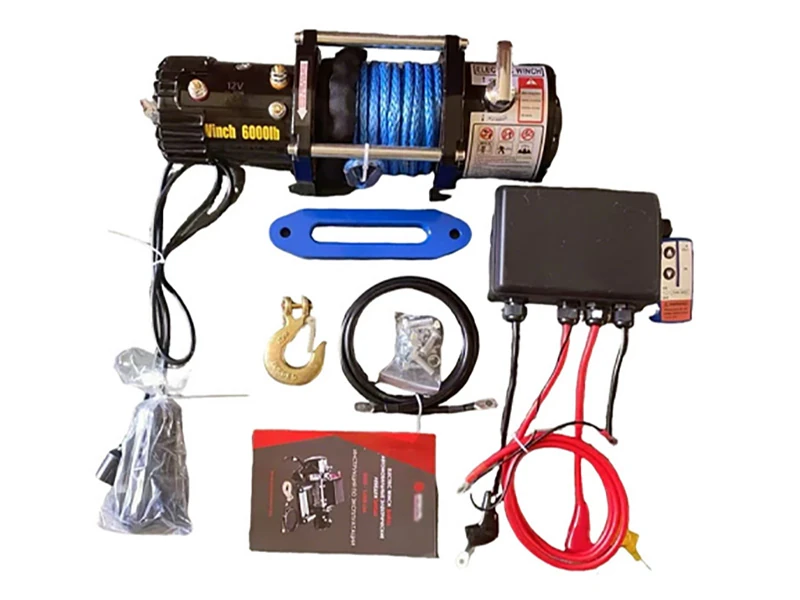
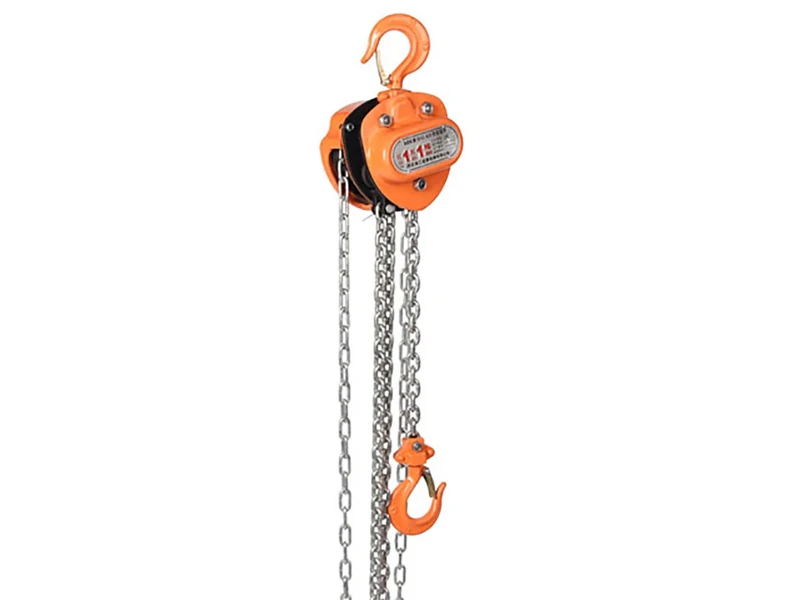
An electric winch is an electric device that uses an electric motor and steel wire rope to lift or pull heavy objects. It can be operated with just a simple button, which is very different from a manual winch that requires physical labor.
The operator controls the winch using a switch or remote. When activated, the electric motor turns the drum, winding the steel wire rope to lift a load vertically or pull it horizontally. When the motor stops running, the electromagnetic brake will activate immediately to prevent the load from falling.
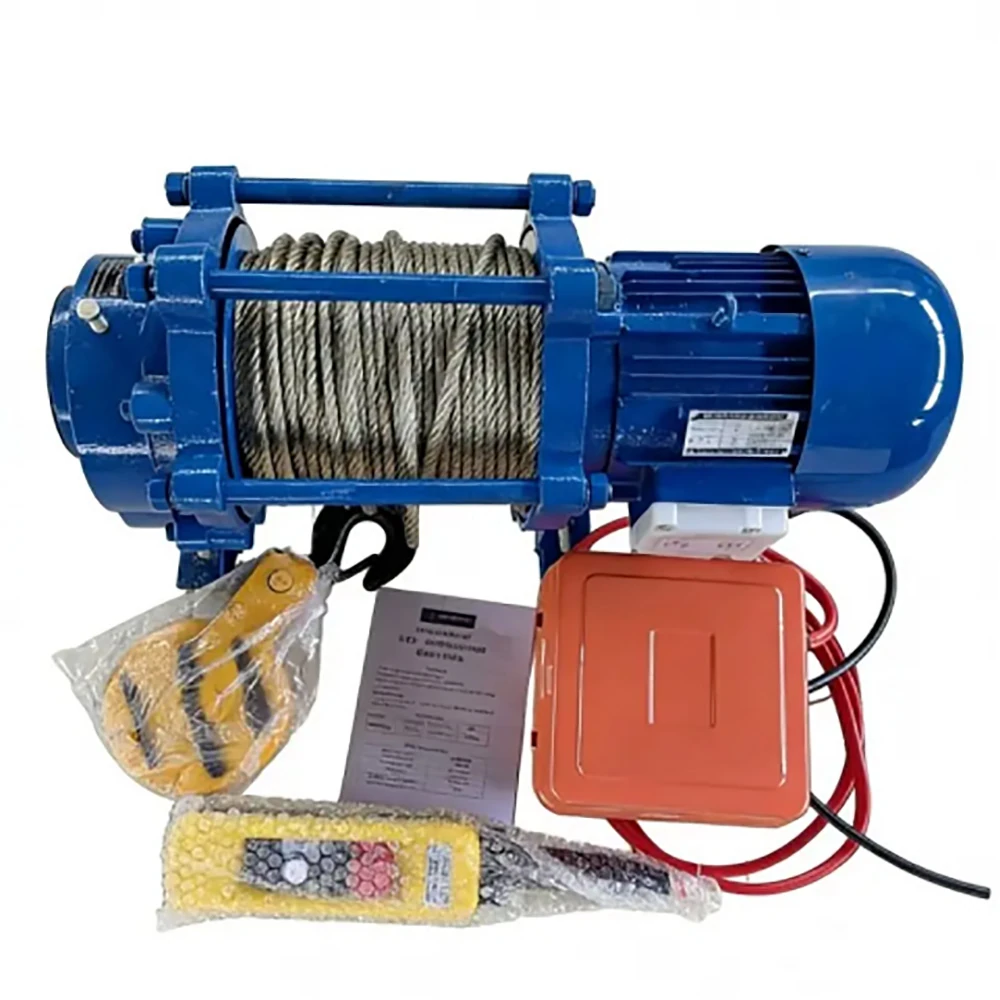
Main components of a typical electric winch include: electric motor (available in various voltages), steel wire rope, drum for rope winding, braking system (mechanical or electromagnetic), steel housing and base, and control switch or remote.
Key Features of Electric Winches
Compact, Portable & Durable Construction
Most electric winches are designed for easy transport and rapid installation, making them ideal for tight spaces or temporary setups on job sites. Quality electric winches feature steel housings and bases that protect against heavy impacts, making them suitable for harsh environments such as mining and industrial applications.
Fast Lifting & Long-Distance Capacity
Lifting speeds vary by model and setup, from 4m/min for heavy double-line lifts to over 16m/min for lighter single-line lifts. Faster speeds save time on repeated lifts. With rope lengths of 30 to 100 meters or more, many electric winches are ideal for high-rise construction.
Safety Braking System & High-Strength Rope
For safety reasons, most electric winches are equipped with an automatic braking system; this system engages the moment the motor stops, thereby preventing the load from falling. Modern models typically utilize electromagnetic brakes. The wire rope ranges in diameter from 6 mm to 16 mm (depending on the winch’s load capacity) and is designed for heavy-duty, frequent use.
Multiple Power Options
Electric winches come in two voltages: 220V single-phase for homes and small businesses, or 380V three-phase for industrial use.
Common Uses of Electric Winches
Construction, Mining & High-Rise Applications
On construction sites, electric winches are used to lift bricks, concrete blocks, tools, and other materials to higher floors. With lifting heights of 30 to 100 meters or more, they are ideal for high-rise building projects. In mining and quarrying operations, their robust steel construction and high-strength wire ropes allow them to handle materials reliably, even under harsh conditions.
Warehouse, Logistics & Industrial Maintenance
In warehouses, electric winches are used to pull or hoist heavy loads; the 220V version is convenient for indoor use where industrial power outlets are unavailable. During the installation and maintenance of industrial equipment, electric winches facilitate the positioning of heavy machinery.
Vehicle Recovery & Pulling Tasks
Many electric winches can also perform horizontal traction, making them suitable for vehicle rescue, towing heavy objects, or moving equipment on the factory floor.
Advantages of Using an Electric Winch
Productivity, Safety & Labor Savings
Electric winches complete lifts faster than manual alternatives, reducing job completion time. Braking systems prevent uncontrolled load descent, enhancing workplace safety. One operator can control the winch from a safe distance, reducing the need for multiple workers on manual lifting teams and lowering physical strain.
Versatility & Cost-Effectiveness
Most electric winches support both vertical lifting and horizontal pulling. With single-line and dual-line options, users can focus on speed or capacity based on their needs without having to purchase multiple devices. Compared to complex hydraulic systems, steel construction and a simple motor design lead to lower maintenance costs. Common voltage options also help reduce installation expenses.
How to Choose the Right Electric Winch
Load Capacity, Lift Height & Power Supply
First, identify the maximum weight you need to lift. Electric winches typically range from 300kg to over 3000kg. Second, consider your required lifting height. Standard is 30 to 100 meters, but longer lengths are available. Third, select your power supply: choose 220V electric winch for residential or light commercial use, or 380V for industrial sites with three-phase power.
Environment & Safety Features
For outdoor or dusty environments, look for steel housing and higher IP ratings such as IP55 or above. Ensure the winch includes a reliable braking system and appropriate protection for your work environment.
Introducing the KCD Series Electric Winch
Now that we have covered the basics of electric winches, let us examine a specific product line: the KCD Series. KCD electric winches are versatile, high-speed lifting and pulling devices featuring compact design, rapid installation, and 220V/380V power options. Key features include strong, high-tensile wire ropes (up to 100m or more), immediate electromagnetic braking, and durable steel construction suitable for construction, mining, and industrial applications.
KCD Series Key Features
KCD winches offer the following specific features. The thick steel shell and steel base provide protection against heavy impacts. Lifting speeds range from 4m/min to 16m/min depending on model and rope configuration, with standard lifting height from 30 to 100 meters. Wire rope diameters vary by model: 0.8T to 1.2T models use 6mm rope, 1.5T models use 7mm rope, and 2.5T and 3T models use 10mm rope. All KCD winches include an instantaneous electromagnetic brake system. All models support both 220V and 380V power options.
KCD Series Capacity Guide
Choosing the right KCD winch depends on your typical workload and job site conditions. Here is a practical guide based on real-world scenarios.
For light to medium lifting tasks – such as residential construction, small workshops, or home renovation projects – the 0.8 ton or 1 ton electric winch is a good fit. These winches handle loads up to 500kg in single-hook mode or up to 1000kg in double-hook mode. They offer faster lifting speeds (up to 16m/min), making them efficient for repeated short lifts.
For medium-duty construction and industrial maintenance – such as low- to mid-rise building material lifting, equipment installation in factories, or workshop use – consider the 1.2T or 1.5T models. These winches can handle single-hook loads from 600kg to 750kg, and double-hook loads from 1200kg to 1500kg. They strike a good balance between capacity and speed, with lifting speeds around 14m/min for single-hook operation.
For heavy lifting in demanding environments – such as mining operations, large construction projects, or industrial plants – the 2.5 ton or 3 ton electric winch is the right choice. These winches handle single-hook loads up to 1500kg and double-hook loads up to 3000kg. While their lifting speed is slower (8m/min for single-hook, 4m/min for double-hook), they provide the power and durability needed for the heaviest jobs.
Understanding Single-Hook vs Double-Hook
One of the most useful features of KCD winches is the ability to switch between single-hook and double-hook configurations. When you need higher speed for lighter loads, use single-hook mode. When you need maximum capacity and safety is your priority, use double-hook mode – the capacity doubles, but the speed is halved. This flexibility allows one machine to handle a wide range of tasks.
Why KCD Electric Winches Are Popular in Construction and Industry
KCD winches offer a practical balance of speed, capacity, and portability. The availability of multiple models from 0.8T to 3T covers a wide range of jobs. The single-hook and double-hook options give users flexibility without buying multiple machines. The compact steel design, instant brake, and support for both 220V and 380V power make KCD winches a common choice on construction sites, in mines, and in industrial workshops.
Frequently Asked Questions About Electric Winches
What is the difference between an electric winch and an electric hoist?
An electric winch is generally designed for both lifting and pulling, often with a simple drum. An electric hoist is specialized for vertical lifting and usually includes a hook travel limiter.
What capacity electric winch do I need?
For loads up to 500kg, consider 0.8T or 1T models. For loads up to 750kg (single-hook) or 1500kg (double-hook), consider 1.5T models. For loads up to 1500kg (single-hook) or 3000kg (double-hook), consider 3T models.
Are KCD electric winches suitable for outdoor use?
Yes. Many models have an ingress protection rating of IP55 or higher, and the steel housing provides impact protection.
What power supply is required for a KCD electric winch?
All KCD models support both 220V (single-phase) and 380V (three-phase).
Conclusion
Electric winches provide a faster, safer, and more efficient solution for heavy-load handling in construction, mining, warehousing, and industrial environments. The KCD series offers these advantages thanks to its compact steel construction, instantaneous electromagnetic braking, and 220V/380V power options. Models range from 0.8 to 3 tons and offer single-hook and double-hook configurations, allowing the focus to be placed on either lifting speed or load capacity depending on requirements. For any lifting or pulling task, a quality electric winch is a worthwhile investment. Ready to upgrade your material handling? Contact us today to find the right KCD electric winch for your job site.