Key Takeaways
- Choose a lifter based on the workpiece weight, steel thickness, shape, surface condition, and actual contact area, not weight alone.
- Rated capacity should be checked against the manufacturer’s guidance for the specific workpiece and lifting conditions.
- Rust, paint, oil, scale, and uneven surfaces can create gaps between the magnetic poles and the steel, reducing lifting performance.
- Before purchasing, request technical specifications, operating instructions, inspection requirements, and relevant test or compliance documents.
- Compare suppliers by the completeness of their technical information and their ability to confirm whether the selected model suits your application.
Introduction
Choosing a permanent magnetic lifter requires more than matching the lifting capacity to the workpiece weight. Steel thickness, material shape, surface condition, and operating requirements can all affect lifting performance. This guide explains how to evaluate these factors, check essential safety requirements, and compare suitable products before purchasing.
How Does a Permanent Magnetic Lifter Work?
Understanding the basic lifting principle helps buyers identify which materials and workpieces may be suitable and what conditions need to be checked before use.
Working Principle
A permanent magnetic lifter uses permanent magnets to create a magnetic field that attracts ferromagnetic materials, such as many types of carbon steel. The magnetic force holds the workpiece against the lifting device, allowing it to be moved without wrapping conventional slings around the load.
However, a magnetic lifter is not suitable for every metal. Aluminum, copper, and many grades of stainless steel cannot be lifted with an ordinary magnetic lifter. The magnetic properties of the material must be confirmed before choosing the equipment.
The actual lifting performance also depends on more than the magnet itself. Workpiece thickness, shape, surface condition, contact area, and the gap between the lifting surface and the steel all affect how securely the load can be held. A model with a high nominal capacity is not automatically suitable for every steel component within that weight range.
Where Are Magnetic Lifters Used?
Magnetic lifters can be considered for handling suitable steel plates, blocks, bars, and other ferromagnetic workpieces. Typical applications include loading and unloading steel materials, moving workpieces between processing stages, and positioning steel components for storage or fabrication.
The right equipment depends on the material and the task. A flat plate, a round bar, and a curved component may have different contact conditions, even when their weights are similar. Buyers should therefore define the workpiece type and lifting method before comparing models.
How to Choose the Right Lifting Capacity
Capacity is an important starting point, but it should not be treated as the only selection criterion. The manufacturer’s rated capacity and operating guidance must be considered alongside the actual workpiece and lifting conditions.
Rated Capacity and Actual Load
Start by confirming the heaviest workpiece that must be lifted, including any relevant attachments or components that contribute to the suspended load. Then compare that weight with the manufacturer’s rated capacity for the intended application.
Search terms such as magnetic lifter 500kg and magnetic lifter 1000kg may help buyers find equipment within a target load range, but the number in a product name does not confirm suitability for every workpiece of that weight. Capacity can be affected by steel thickness, material properties, contact conditions, and the way the load is lifted.
Ask the supplier to confirm the permitted load for the actual workpiece. Do not assume that the rated capacity is the same as the maximum force required to pull the magnet away from a test surface. Breakaway force and safe working load describe different performance measures.
Steel Thickness and Surface Condition
Steel thickness affects the magnetic circuit and the force that can be developed between the lifter and the workpiece. Thin steel may not provide the same holding performance as a thicker plate, even when both are made from magnetic material.
The UK’s Health and Safety Executive (HSE) explains that the material’s magnetic properties, thickness, shape, contact area, surface profile, and air gap all matter when selecting and using magnetic lifting devices. Rust, paint, oxide scale, oil, and uneven surfaces can increase the gap and reduce performance.
Before ordering, provide the supplier with the steel grade, thickness range, surface condition, and dimensions of the workpiece. If your operation handles several thicknesses, ask for confirmation of the permitted range rather than assuming one model will perform equally well on all of them.
Workpiece Shape and Contact Area
A lifter designed for flat steel may not make effective contact with a round or curved surface. A small contact area or an unsuitable pole arrangement can reduce the available magnetic holding force.
For flat plates, consider the plate dimensions, thickness, and how the lifter will sit on the surface. For bars, pipes, or cylindrical materials, explain the diameter and shape to the supplier. If the workpiece is curved, narrow, or irregular, request confirmation that the proposed model is suitable for that geometry.
Also consider how the load will be balanced during lifting. The lifting point should be positioned according to the manufacturer’s instructions so the workpiece does not tilt or shift unexpectedly. Never use an unverified lifting arrangement simply because the total load is below the stated capacity.
Safety and Technical Requirements Before Purchase
After narrowing down the capacity and workpiece requirements, check the documentation and operating conditions needed for safe use. These checks should be completed before a purchase decision is made.
Review the Intended Lifting Process
Describe how the equipment will be used, including the pickup position, lifting direction, travel route, and placement method. A device intended for moving horizontal plates may not be suitable for every lifting orientation or workpiece shape.
Confirm how the lifter is attached, operated, released, and checked before each use. Operators should follow the manufacturer’s instructions and keep people clear of suspended loads. The lifting arrangement must not be changed or improvised without confirming that it is permitted.
Request Technical Documents
Ask the supplier for the complete specification sheet, operating manual, inspection guidance, and applicable test or compliance documents. Important details to confirm include the rated capacity for the intended workpiece, minimum permitted steel thickness, product weight, operating limitations, and inspection requirements.
ASME B30.20 covers marking, construction, installation, inspection, testing, maintenance, and operation of below-the-hook lifting devices. ASME BTH-1 provides design criteria for these devices. These standards can help buyers define what documentation to request.
How to Compare Suppliers and Quotations
Once the application requirements are clear, compare suppliers on whether they can provide a suitable model and verifiable technical information, rather than comparing quoted prices alone.
Compare Technical Support, Not Just Price
A useful quotation should identify the proposed model, rated capacity, intended workpiece, and the technical documents available for review. It should also make clear which operating limits still require confirmation.
When comparing a permanent magnetic lifter Factory with other suppliers, check whether the supplier can assess your actual workpiece conditions, explain model differences, and provide clear answers about capacity and operating restrictions. A lower quotation may not represent better value if key specifications, documentation, or application suitability remain unclear.
Before requesting a quote, prepare the workpiece weight, steel grade, thickness, dimensions, surface condition, shape, and lifting orientation. Include the expected frequency of use and any special handling requirements. Providing this information makes it easier for suppliers to evaluate the application and reduces avoidable back-and-forth during the purchasing process.
Why Choose OTOY’s Permanent Magnetic Lifter for Steel Handling?
After establishing the application requirements, buyers can compare available products against those needs. OTOY lists a dual-circuit magnetic lifter designed for ferromagnetic workpieces, including thin steel plates and cylindrical materials.
Product Information at a Glance
| Item | Information listed by the supplier |
| Product | Ultra Heavy-Duty Dual Circuit Magnet Lifter for Steel |
| Available capacity options | 300 kg, 600 kg, 1,000 kg, and 2,000 kg |
| Magnetic design | Dual-circuit |
| Intended materials | Ferromagnetic workpieces |
| Workpiece types mentioned | Thin steel plates and cylindrical materials |
| Listed applications | Steel loading, unloading, and handling in factories, docks, warehouses, and transportation facilities |
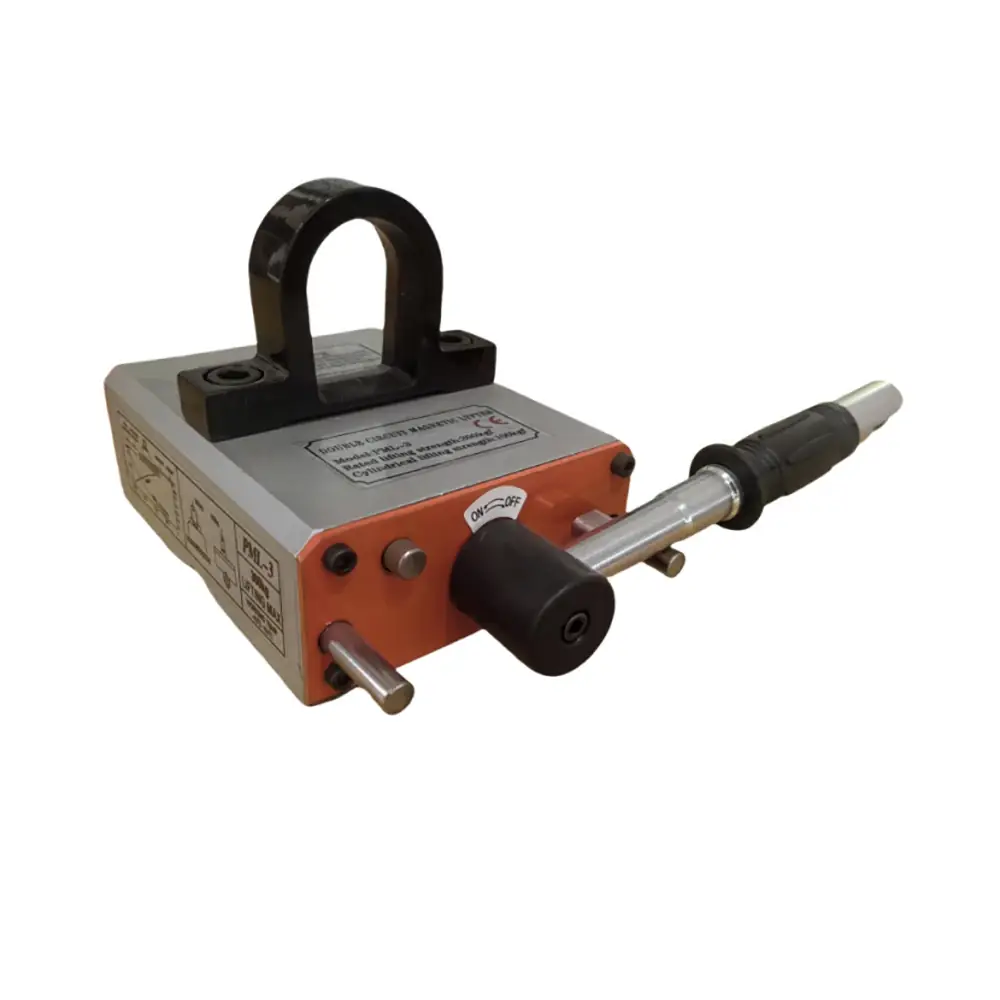
Dual-Circuit Design for Steel Handling
OTOY’s dual-circuit magnetic lifter is designed for handling ferromagnetic workpieces, including thin steel plates and cylindrical materials. Its dual-circuit design is a key product feature for buyers to evaluate when comparing magnetic lifting equipment for steel handling. Before purchase, buyers should ask the supplier to explain how the magnetic circuits operate, what safety features are included, and which operating conditions apply to the selected model.
The available capacity options of 300 kg, 600 kg, 1,000 kg, and 2,000 kg give buyers several choices for different load requirements. For example, a magnet lifter 1 ton may be considered for workpieces weighing around 1,000 kg.
Practical Applications in Steel Processing and Material Handling
This lifter is listed for steel loading, unloading, and handling in factories, docks, warehouses, and transportation facilities. In a steel processing facility, it may be considered for moving suitable steel plates between storage areas and processing stations. In a warehouse or loading area, it may support the handling of compatible steel materials during loading, unloading, and internal transfer.
For cylindrical workpieces, such as suitable steel bars or other round materials, buyers should confirm that the workpiece diameter and contact geometry fall within the manufacturer’s permitted application range. The same principle applies to thin steel plates: the material thickness and surface condition must be suitable for the selected lifter. These checks help buyers determine whether one model can meet their actual handling needs.
Check the Model Against the Actual Workpiece
The four listed capacity options provide a starting point for model selection, but capacity alone does not establish suitability. Before ordering, provide OTOY with the workpiece weight, steel thickness, dimensions, shape, surface condition, and intended lifting method.
Ask the supplier to confirm the rated capacity for the specific application, the permitted steel thickness range, the applicable operating limitations, and the required inspection procedures. Buyers should also request the full technical specification and operating manual, as these details are not fully provided on the current product page. This helps ensure that the selected model matches the intended handling task rather than relying on capacity figures alone.
Frequently Asked Questions
Which OTOY model should I choose for steel plates?
Start with the plate weight, steel grade, thickness, dimensions, and surface condition. OTOY lists 300 kg, 600 kg, 1,000 kg, and 2,000 kg capacity options, but the appropriate model must be confirmed against the actual plate and the supplier’s operating guidance.
Can OTOY’s dual-circuit lifter handle round bars and pipes?
The product page lists cylindrical materials among its intended workpieces. Confirm the bar or pipe diameter, weight, surface condition, and lifting arrangement with the supplier before ordering.
What information should I request before buying?
Request the full specification sheet, permitted steel thickness range, rated-capacity guidance, product weight, operating manual, inspection requirements, and applicable test or compliance documents. Ask the supplier to confirm suitability for your specific workpiece.
Why might a magnetic lifter struggle with a load below its rated capacity?
The workpiece may be too thin, the contact area may be too small, or the surface may contain paint, rust, oil, scale, or uneven areas that create a gap. Material properties and lifting geometry can also affect performance.
Is maximum breakaway force the same as safe working load?
No. Breakaway force describes the force needed to separate a magnet from a particular test surface under defined conditions. Safe working load is the permitted working load under the manufacturer’s stated conditions. They should not be treated as interchangeable values.
Conclusion
Choosing lifting equipment is not just a matter of matching a product’s rated capacity to the weight of a workpiece. A sound purchasing decision also depends on whether the equipment fits the materials, handling methods, and operating procedures used at the facility.
For steel handling operations that involve different workpiece shapes, having a suitable lifting solution for the intended materials can make loading, unloading, and movement between work areas easier to organize. OTOY’s dual-circuit magnetic lifter is listed for handling ferromagnetic workpieces, including thin steel plates and cylindrical materials. This gives buyers a starting point for discussing different handling needs with the supplier, while the final choice should still be based on confirmed technical specifications and application requirements.
If you are looking for a reliable permanent magnetic lifter supplier, contact OTOY for product options, technical specifications, and a quotation based on your workpiece weight, steel thickness, material shape, and lifting application.